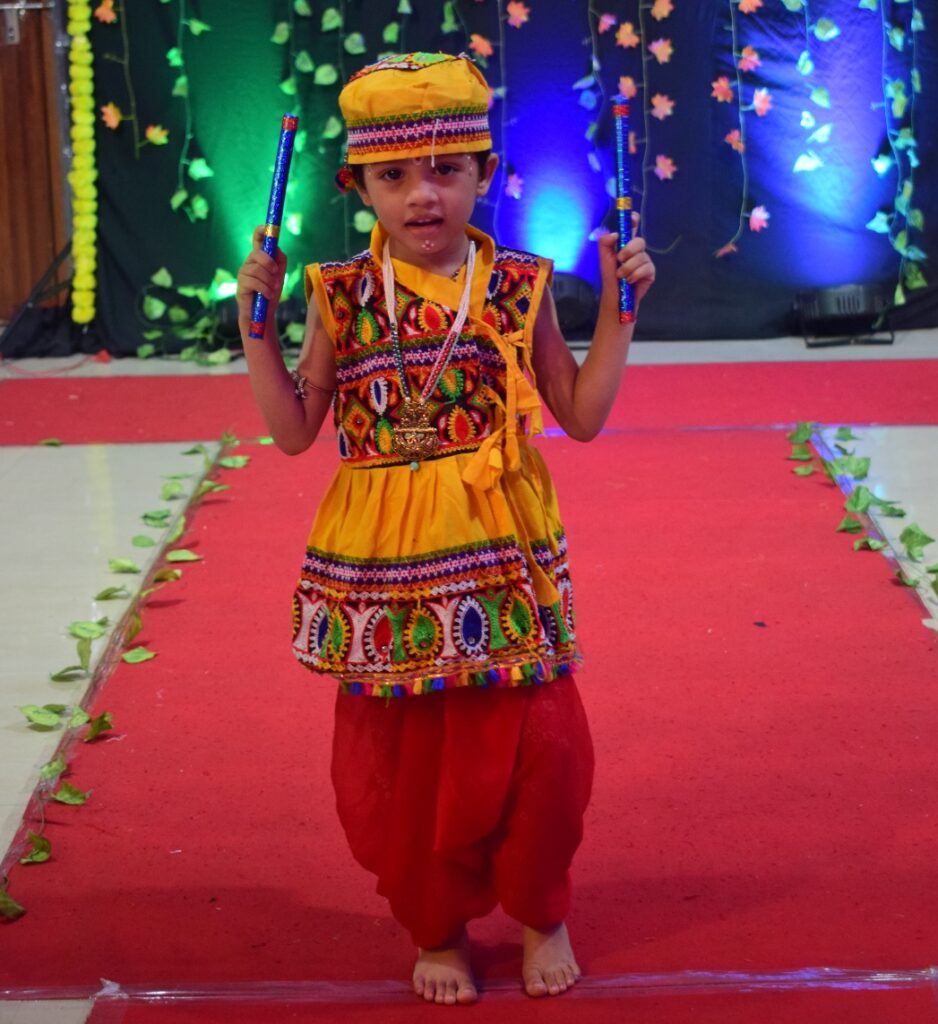
Acting and Modeling
The Secret to Becoming a Complete Performer
At Mack Dance Cultural Institute (MDCI), we believe that a truly great dancer isn’t just made by learning choreography—they are built through deep process, sharp awareness, and inner growth. In today’s entertainment and commercial industry, Acting and Modeling are essential parts of a dancer’s toolkit. To ensure our students don’t just dance, but dominate the screen and stage, MDCI has created a Special Development Section every Saturday within our powerhouse Skill Lab.
Why Acting is Important for Dance
Dance is nothing without emotion. True dancers must know how to tell a story and hook the audience the moment they look into the lens or step onto the stage.
l Expression & Bhava: Through acting fundamentals, our students learn how to channel real emotions and intense facial expressions (bhava) into their dance routines.
l Character & Intent: We train dancers to know why they move a certain way. Acting help them understand the script, vibe, and character of the song they are performing.
l Overcoming Stage Fear: Improvisation and performance drills break down awkwardness, making our students bold, expressive, and ready for commercial film shoots.
Why Modeling & Ramp Walk are Important for Dance
A dancer’s first impression is their body posture and confidence before the music even starts. Modeling techniques refine how a dancer presents themselves to judges, casting directors, and audiences.
l Commanding Stage Presence: Through structured Ramp Walk sessions, students learn spatial awareness and how to own the entire stage.
l Body Alignment & Posture: Modeling drills fix slouching habits, giving dancers a sharp, elegant, and strong body silhouette that looks flawless on video and camera.
l Camera Confidence: It teaches students how to find their best angles, look directly into the camera with power, and showcase an undeniable star attitude.
Why Acting is Important for Dance
Dance is nothing without emotion. True dancers must know how to tell a story and hook the audience the moment they look into the lens or step onto the stage.
l Expression & Bhava: Through acting fundamentals, our students learn how to channel real emotions and intense facial expressions (bhava) into their dance routines.
l Character & Intent: We train dancers to know why they move a certain way. Acting help them understand the script, vibe, and character of the song they are performing.
l Overcoming Stage Fear: Improvisation and performance drills break down awkwardness, making our students bold, expressive, and ready for commercial film shoots.
Why Modeling & Ramp Walk are Important for Dance
A dancer’s first impression is their body posture and confidence before the music even starts. Modeling techniques refine how a dancer presents themselves to judges, casting directors, and audiences.
l Commanding Stage Presence: Through structured Ramp Walk sessions, students learn spatial awareness and how to own the entire stage.
l Body Alignment & Posture: Modeling drills fix slouching habits, giving dancers a sharp, elegant, and strong body silhouette that looks flawless on video and camera.
l Camera Confidence: It teaches students how to find their best angles, look directly into the camera with power, and showcase an undeniable star attitude.